In Conversation with Murray Crane of Crane Brothers
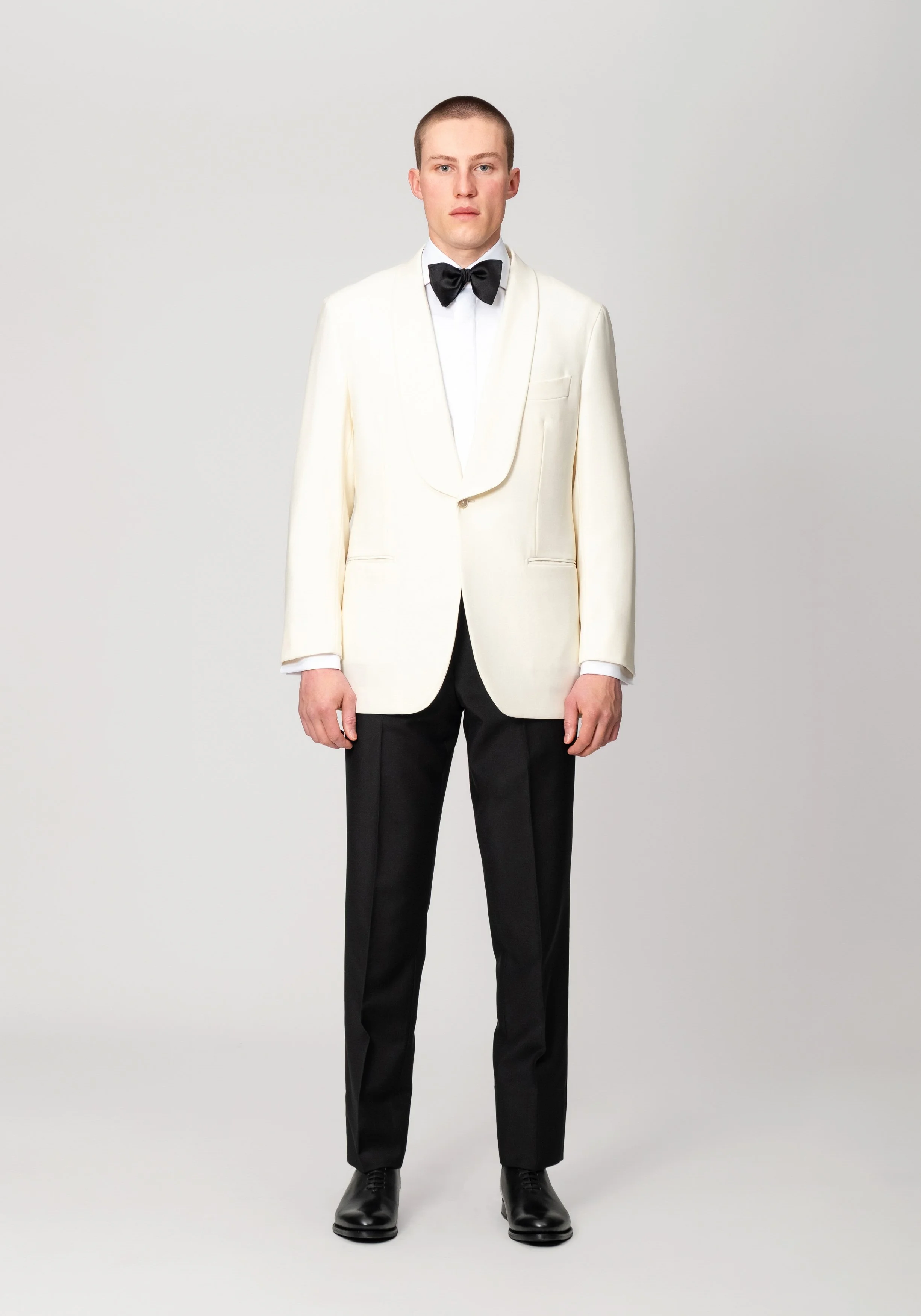
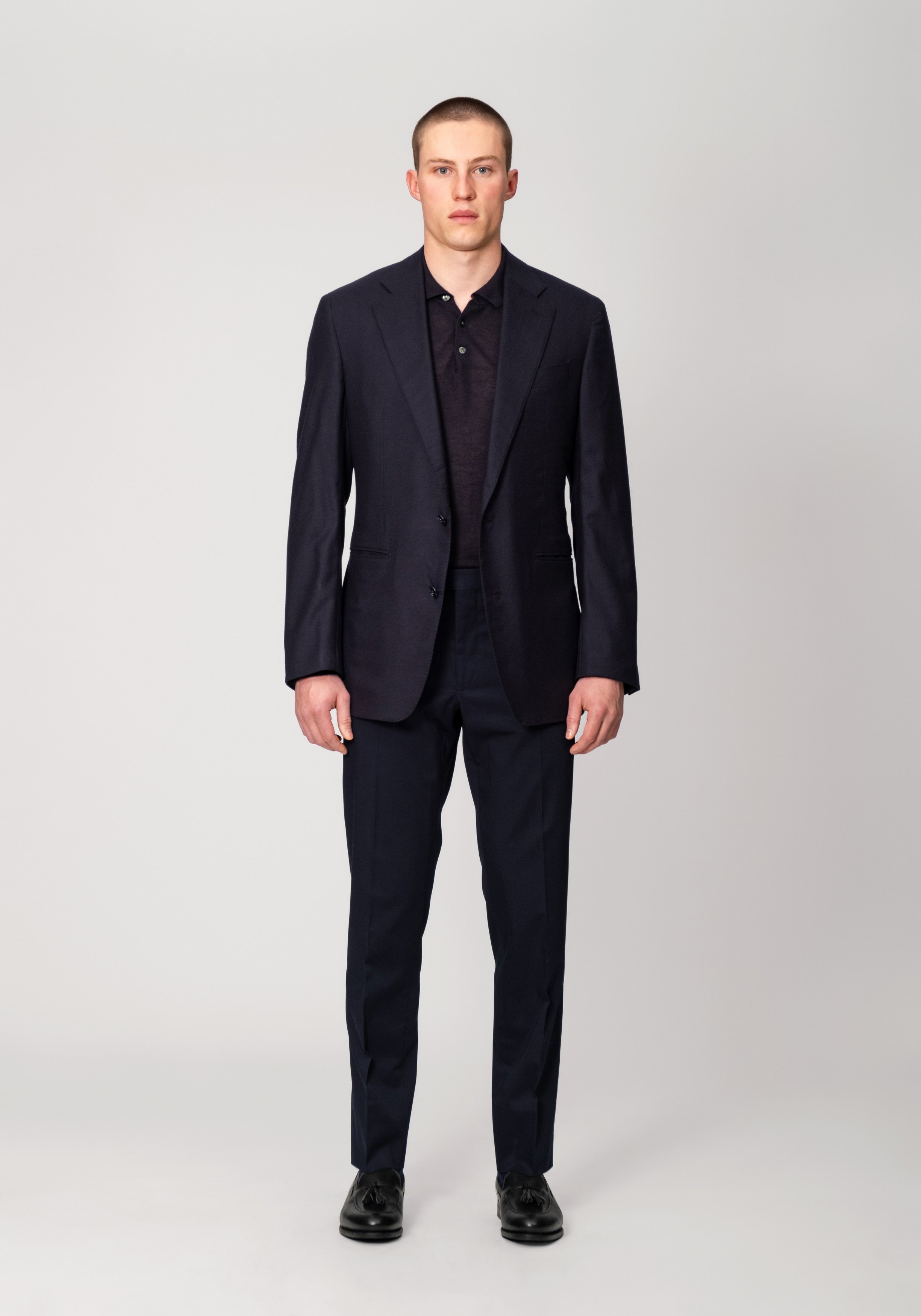
Founded in 1999 by Murray Crane, Crane Brothers grew out of a deep immersion in high-fashion menswear and a desire to rethink how men dress in everyday life. Shaped by years working with designers such as Martin Margiela, Comme des Garçons and Helmut Lang, Murray developed a lasting respect for concept, construction and intent. Recognising a widening gap between traditional tailoring and modern living, Crane Brothers was born from the belief that menswear could be disciplined yet wearable, refined yet deeply human.
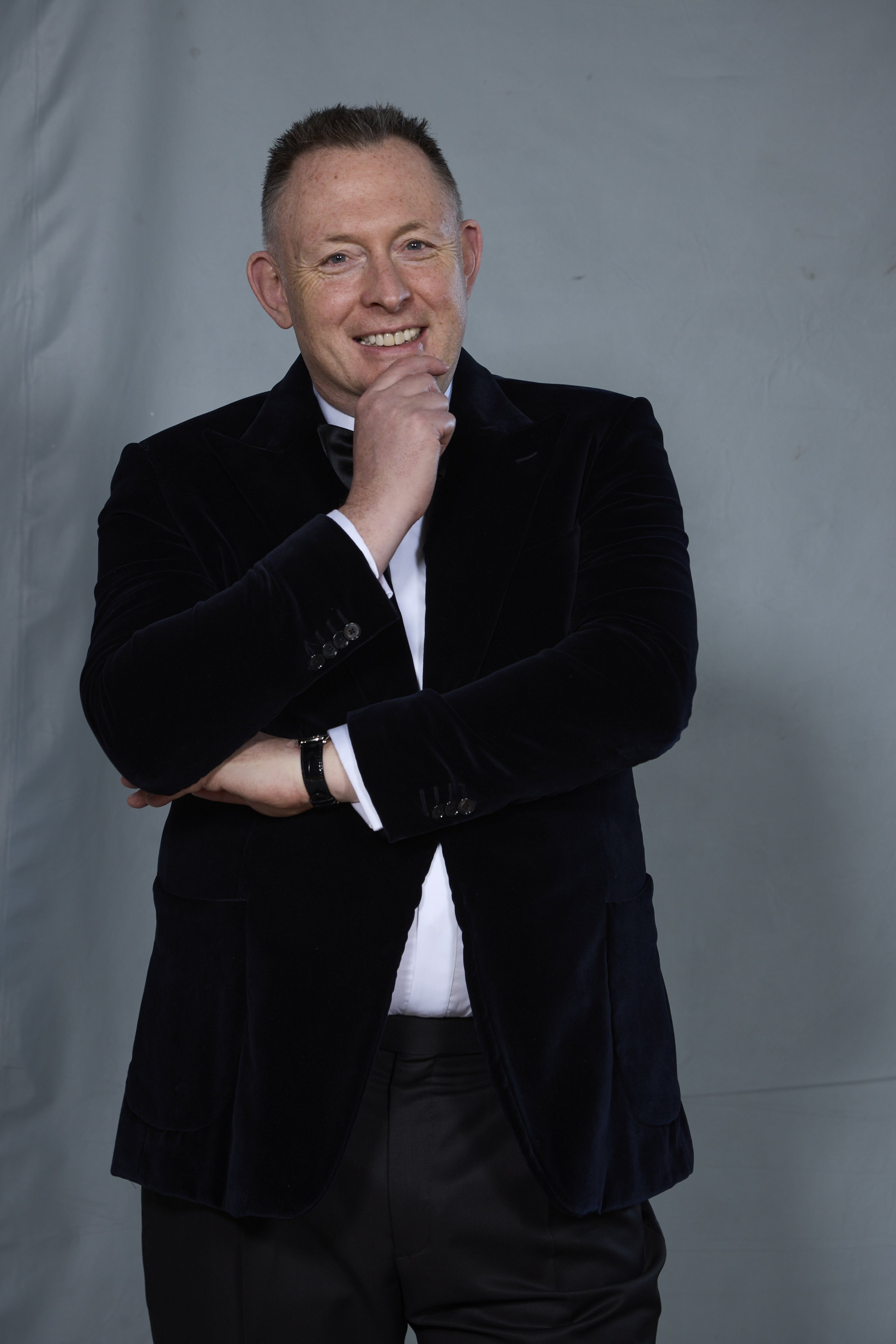
THEODORE Mag: When did you start Crane Brothers, and what inspired you to focus on menswear?
Murray Crane: Crane Brothers began in 1999. Prior to that, I spent several years working as a buyer in high-fashion menswear. I worked extensively with designers including Martin Margiela, Comme des Garçons, Helmut Lang and Jean Paul Gaultier, all of whom challenged convention and placed real value on concept, construction and intent. That period shaped how I think about clothing at a fundamental level.
At the same time, I felt there was a widening gap between how men wanted to dress and what was actually available to them. Tailoring and well-made garments had become either overly formal or disconnected from real life. I was drawn to the idea of clothing that carried the discipline of tailoring, but could be worn with ease and confidence. Menswear felt like a language worth preserving, refining and modernising rather than abandoning.
THEODORE Mag: How would you describe your design and making philosophy in your own words?
Murray Crane: I believe clothing should serve the person, not the other way around. My background in fashion taught me the importance of strong ideas and clarity of purpose, while tailoring taught me discipline, restraint and respect for process.
My true love sits at the intersection of French couture and the slow pace of Italian manufacturing. I am drawn to goods that are made well, without compromise. Our own workroom, our factory relationships, and the freedom to make exactly what we want are fundamental to our journey and our DNA. That independence allows us to work with intent, protect standards, and maintain the integrity of what we produce.
My approach is rooted in proportion, balance and longevity. Whether it is a tailored jacket, a coat or a simple shirt, I am interested in garments that feel relevant ten years from now, not just this season. Good clothing should quietly support the wearer, offering comfort, confidence and individuality without demanding attention.
THEODORE Mag: What inspires you creatively, both within fashion and beyond it?
Murray Crane: Within fashion, I continue to be inspired by Italian and British tailoring traditions, particularly the integrity of how garments are made rather than how they are marketed. My earlier exposure to more conceptual fashion still informs how I think about silhouette, reduction and detail, even if the expression today is more restrained.
Beyond fashion, I draw inspiration from art, architecture, music and literature. Conversations, travel and the rhythm of daily life are just as influential. It is a career that now spans forty years and bridges five decades, yet I still find inspiration everywhere. I am especially interested in people who commit deeply to their craft, regardless of discipline.
THEODORE Mag: What can clients expect when they book a consultation or commission a piece with you?
Murray Crane: Clients can expect a thoughtful and collaborative process. We take time to understand not only how a garment will be worn, but why it is being commissioned. Whether it is a suit or something more casual, the consultation is as much about listening as it is about advising.
From cloth selection to cut and detailing, the process is deliberate and unhurried. The aim is to create something considered and deeply wearable, rather than simply impressive in the moment.




THEODORE Mag: When you meet potential clients, what qualities or sensibilities excite you most?
Murray Crane: I am drawn to clients who are curious and open-minded. Those who appreciate quality but are not overly prescriptive. A willingness to trust the process and engage in conversation makes all the difference.
It is often less about fashion knowledge and more about self-awareness. Clients who want their clothing to reflect who they are, rather than who they think they should be, are the most rewarding to work with.
THEODORE Mag: What part of the process do you enjoy most?
Murray Crane: Fabric selection is particularly engaging because it defines the character, performance and longevity of a garment. Cloth carries technical knowledge, provenance and purpose in a way few materials do, and those decisions influence everything that follows.
The final fitting is always satisfying. Seeing a client stand differently and move more naturally once everything comes together is a reminder of why tailoring and well-made clothing still matter.
THEODORE Mag: How do you ensure each piece feels personal to the wearer?
Murray Crane: It comes down to conversation and observation. We pay close attention to how a client lives, works and moves. Small decisions around proportion, construction, pocket placement and lining choice combine to give a garment its character.
Personalisation does not need to be overt to be meaningful. Often, the most personal details are the ones only the wearer ever notices.
THEODORE Mag: Looking back, is there a moment or project that stays with you?
Murray Crane: There are many, but the moments that stay with me tend to be quiet ones. A client returning years later in a jacket or coat that has travelled the world with them. A garment that has marked a wedding, a career milestone or a turning point in someone’s life.
Those moments reinforce that what we make is not just clothing, but part of someone’s lived experience.
Visit crane-brothers.com
Instagram @cranebrothers
DISCLAIMER: We attempt to credit the original photographer/source of every image we use. However, in most circumstances, the images we use are provided by the brands spoken about, and we rely on them to inform us of the image source. If you think a credit may be incorrect, please contact us at info@theodoremagazine.com
More For You